How Things Were · 1928
1928: A new Ford and a confident consumer age
A modern Ford reaches buyers during the last full year before the economic downturn.
In 1928, the automobile, the radio and the movie theater offered visible signs of modern life. Stores sold goods to customers who increasingly expected convenience and variety. Yet the prosperity was uneven: many farmers had struggled since the early 1920s, and low-paid workers could not casually buy a car or house. The Model A reached a public already familiar with Ford, but eager for a more comfortable and stylish replacement for the Model T.
What everyday things cost
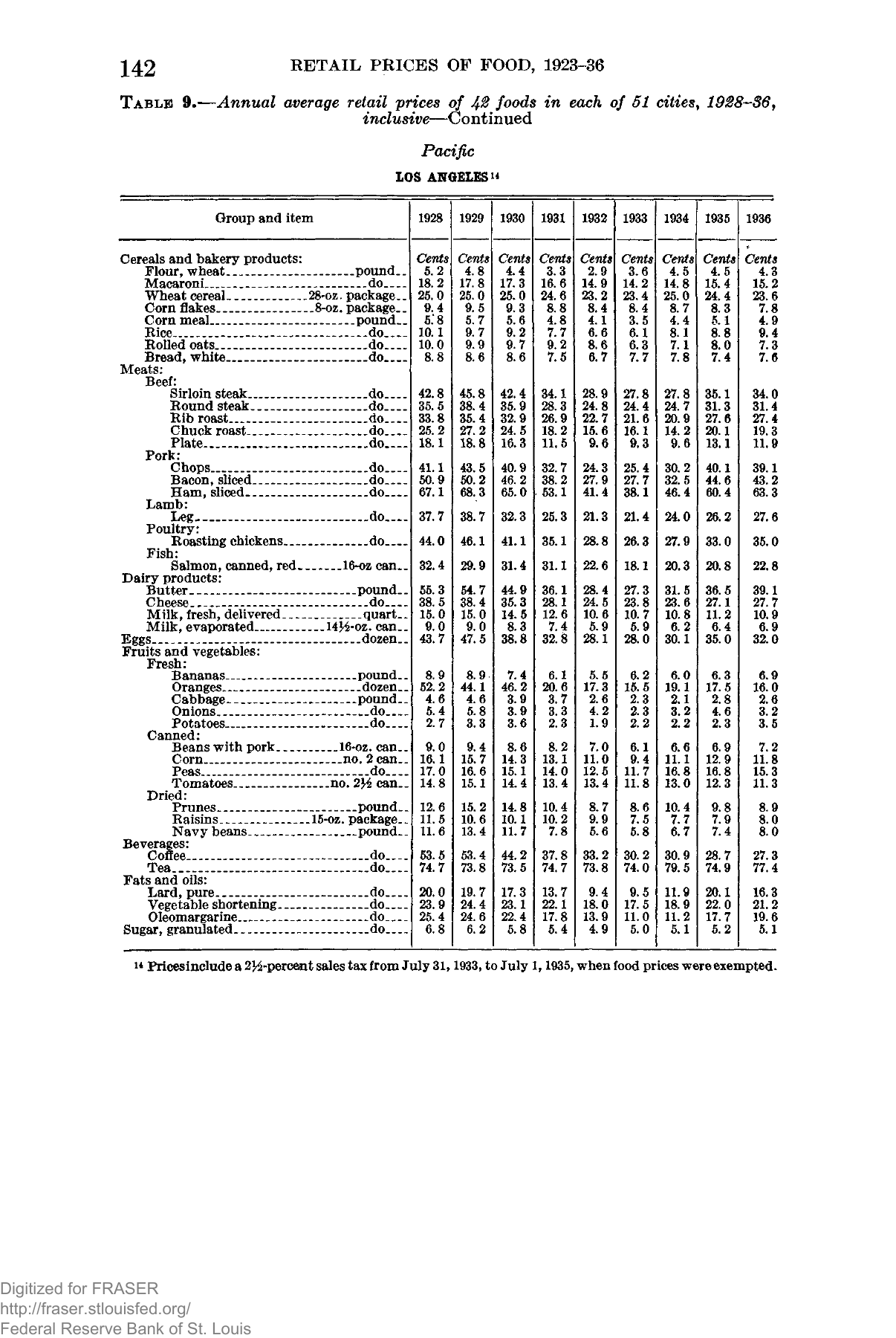
These are original dollars. Grocery prices below are annual Los Angeles averages, not national prices or a single store’s special. Bread is priced by the pound: the loaf example is a one-pound white loaf. Milk is delivered fresh milk sold by the quart.
| Grocery item and unit | 1928 Los Angeles price |
|---|---|
| Bread, white — one-pound loaf | 8.8¢ |
| Fresh milk, delivered — quart | 15¢ |
| Milk — gallon equivalent (4 quarts) | 60¢, calculated |
| Eggs — dozen | 43.7¢ |
| Butter — pound | 55.3¢ |
| Coffee — pound | 53.5¢ |
| Sugar — pound | 6.8¢ |
| Potatoes — pound | 2.7¢ |
| Sirloin steak — pound | 42.8¢ |
| Bacon, sliced — pound | 50.9¢ |
| Oranges — dozen | 52.2¢ |
Sources: BLS, Retail Prices of Food, 1923–36, Table 9, p. 142
Gasoline and the cost of using a Ford
| Gasoline, U.S. gallon | 1928 city-series average |
|---|---|
| Before state/federal tax | 17.90¢ |
| State/federal tax component | 3.04¢ |
| Price including those taxes | 20.94¢ |
This historical series covers 50 representative cities and averages first-of-month quotations. Local taxes are excluded. It is a comparison series, not the pump price at every station. Fuel grade, place and price competition could produce a different local amount.
A ten-gallon purchase at that tax-inclusive average would cost about $2.09. This is a calculation from the series, not an advertised fill-up. A driver also needed oil, tires, maintenance and registration; the fuel bill alone did not describe the full cost of ownership.
Sources: Hillary J. Fisher, MIT thesis (1938), Appendix A, Table XI; Automobile Facts and Figures (1937)
A movie ticket
| Documented example | Admission |
|---|---|
| 1928 local theater example | 30¢ evening adult; 20¢ weekday matinee |
The Redford Theatre in Detroit advertised February 1928 evening admission of 30 cents for adults and 15 cents for children; weekday matinees were 20 cents and 10 cents. These were local prices, not a U.S. average. The program could include a feature, comedy, cartoon, serial episode and newsreel. A theater visit bought a whole program rather than only the feature.
Sources: Redford Theatre: February 1928 admission advertisement
Buying a new Model A Ford
| Body style | Advertised base price, FOB Detroit |
|---|---|
| Roadster | $385 |
| Phaeton | $395 |
| Standard Coupe | $495 |
| Tudor Sedan | $495 |
| Fordor Sedan | $570 |
| Sport Coupe | $550 |
| Special Coupe | $500 |
| Roadster Pickup | $395 |
These prices exclude accessories, transportation to the buyer’s locality and dealer additions. They are historical list-price examples, not guarantees of an unchanged price throughout the year. A used Ford might cost less, while financing added obligations. Some commercial body prices are not available in the cited list; no guessed pickup or AA truck price has been substituted.
Sources: Model A Ford Club of America: Prices When the Model A Was New
The Model A replaced the Model T with a more modern driving experience, including a conventional three-speed sliding-gear transmission, four-wheel mechanical brakes and a 40-horsepower four-cylinder engine. Closed cars offered permanent roofs and roll-up windows; the cheaper open bodies relied on tops and side curtains. A roadster’s low price therefore did not mean it provided the same weather protection as a sedan.
Sources: Ford Motor Company: The 1928 Ford Model A
Putting the price in household terms
A $495 Tudor was a major durable purchase, unlike a few cents spent on bread. The buyer had to consider the down payment, future installments, running costs and the chance of keeping a job. Even a price that looked modest beside a house could represent months of saving. Price tags alone do not tell us who could afford the car.
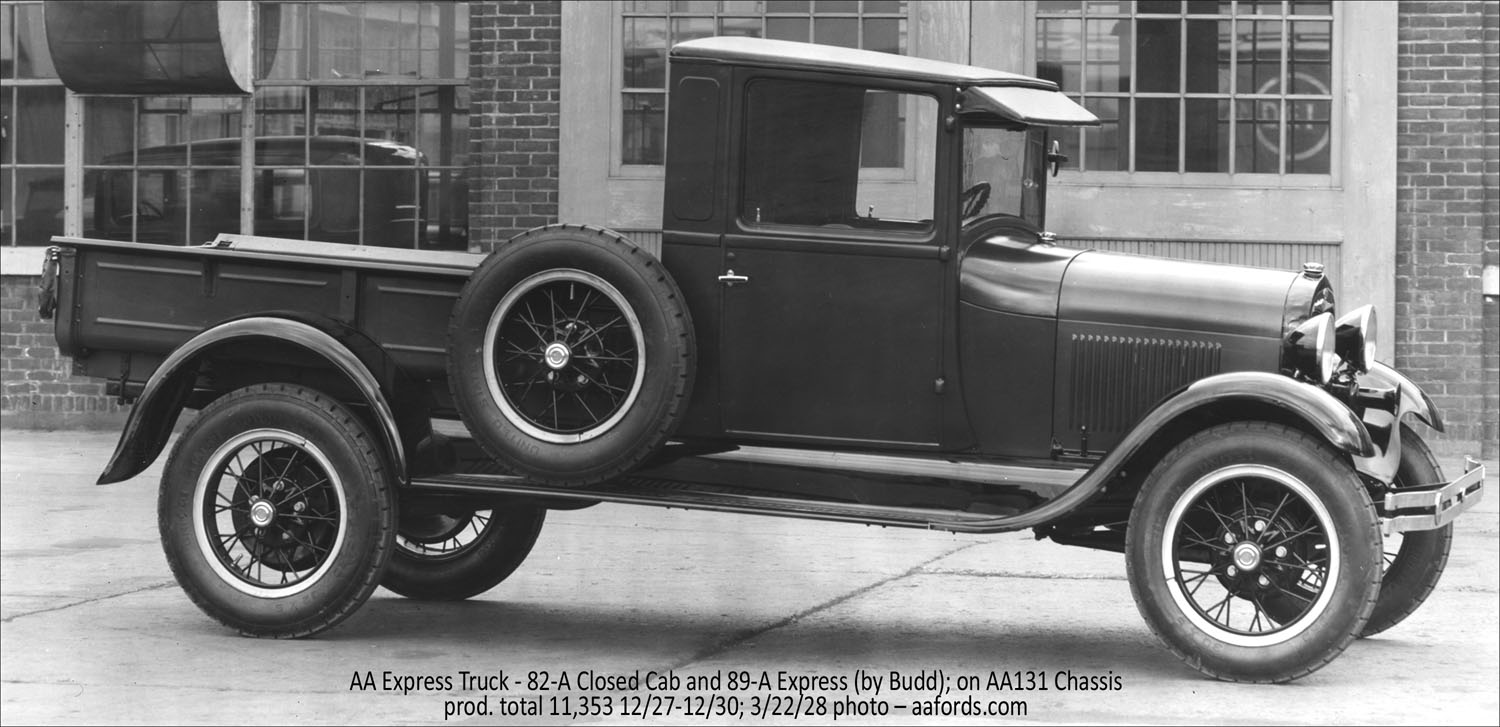
The differences between bodies mattered in daily use. A closed sedan could serve a family in bad weather; an open roadster traded some protection and passenger space for a different experience. Delivery and truck bodies put the same broad Ford family into business use. See the club’s Model A Body Styles page for pictures and descriptions of passenger and commercial vehicles.
Homes, rent and the cost of a place to live
A house purchase meant buying a location and a building, not simply paying for lumber. A city lot, a rural dwelling and a suburban house with plumbing and electricity could have radically different prices. Catalog houses illustrate why inexpensive-sounding offers need context: the 1927–1932 Sears listings show the Starlight at $543–$1,645 and the larger Lexington at $2,958–$4,365 across that span. These are catalog model ranges, not 1928 national house-sale averages; land, foundations, labor and finishing made a completed property cost more.
Sources: 1930 Census, Population Vol. VI, Table 5, p. 7 · Sears Archives: home models and price ranges, 1927–1932
A catalog house package should not be compared directly with a finished house on its own lot. Freight, excavation, foundations, assembly, plumbing, wiring and local labor could change the total substantially. Renters faced a different budget: the monthly payment, heat and utilities, rather than the entire value of a building. Neighborhood and the condition of the property mattered as much as its floor plan.
Housing reference: the $4,778 figure on these pages is explicitly the 1930 census median reported value of owned nonfarm homes. It is not a measured annual national sale price for 1928, 1929 or 1931. The catalog ranges cover 1927–1932 and likewise should not be read as exact quotes for every model in every year.
What people did for a living
Work ranged from farm labor and dairying to automobile assembly, steelmaking, coal mining, textile production and construction. Mechanics, machinists, electricians and carpenters supplied skilled labor; truck drivers, delivery workers and railroad crews moved people and goods. Shops employed clerks and salespeople, while offices needed stenographers, bookkeepers and telephone operators. Teachers, nurses, cooks and domestic workers formed another large part of everyday employment. These are period occupations, not a ranking of the highest-paid jobs.
For a Model A owner, the repair shop, filling station and parts counter belonged to a growing automobile economy. Commercial A and AA vehicles served businesses that needed deliveries, tradesmen’s equipment or heavy hauling. The car supported work as well as recreation.
Sources: 1930 Census: General Report on Occupations
| Work setting | Examples of period jobs |
|---|---|
| Farms and food | Farmers, hired hands, dairy workers, packers and grocers |
| Industry and building | Assembly workers, machinists, miners, carpenters and electricians |
| Transport and communications | Railroad crews, truck drivers, delivery workers and telephone operators |
| Stores and offices | Sales clerks, bookkeepers, typists and stenographers |
| Homes and public services | Domestic workers, cooks, teachers and nurses |
The economy and the Model A’s place in it
The crash still lay ahead. A 1928 household could see expanding industry and retail trade while a farm household saw a very different outlook. The later Depression should not be projected backward onto every day of this year. Ford’s biggest immediate challenge was converting the public’s enthusiasm into cars that dealers could deliver after the production changeover.
Sources: Federal Reserve History: Stock Market Crash of 1929
Why cheaper goods did not always mean easier living
For a household with reliable wages, a fall in retail prices could increase what its money bought. For a household facing reduced hours, unemployment or lost savings, the lower price could still be out of reach. Deflation could also make an unchanged debt more burdensome relative to earnings. This explains why later Model A advertising and price changes cannot be judged only by the number printed beside a body style.
Crime, law and public life
Prohibition had been in force since 1920. Illegal liquor distribution created profits for bootleggers, while bribery, violent rivalry and enforcement controversies reached newspaper readers. On June 4, 1928, the Supreme Court decided Olmstead v. United States, upholding the use of warrantless telephone-wiretap evidence under the constitutional interpretation then applied. The case grew from a Seattle bootlegging operation and shows that crime in this era included organized business, communications technology and disputes over police power, not only gun battles. That historical ruling was later superseded; it is not a statement of today’s law.
Sources: Federal Judicial Center: Olmstead and Prohibition enforcement
Crime stories were prominent in the press, but a notorious case is not a statistical measure of ordinary life in every town. Organized crime, property crime, corruption and racial violence need separate attention. Nor should hardship be treated as proof that unemployed people were criminals. The early national reporting system’s limits make sweeping year-to-year claims particularly risky.
Sources: FBI historical timeline: national crime reporting in 1930
Facts and dates from the year
- November 18: Steamboat Willie premiered in New York, making synchronized sound part of Mickey Mouse’s early screen success.
- Model A launch already completed: the public introduction was December 2, 1927; 1928 was the first full sales year.
- June 4: the Supreme Court decided the Olmstead wiretap case arising from Prohibition enforcement.
Sources: Library of Congress: Steamboat Willie · Federal Judicial Center: Olmstead and Prohibition enforcement · Ford Motor Company: The 1928 Ford Model A
A look at the original grocery record